Case Study: EnviroTools
How PNZ Members Pike, Uniplas, and PACT Recycling support ecosystem stewardship.
When people think about ecosystem protection, they don’t always picture plastic components and manufacturing. But in practice, a lot of environmental outcomes depend on practical tools that are built to last, perform in the field, and withstand New Zealand’s conditions over long service lives.
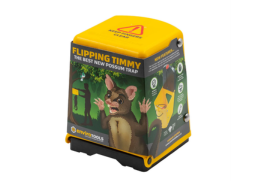
One example is EnviroTools a New Zealand-based manufacturer of pest control trapping systems used in biosecurity, conservation, and land management. And in Wellington, several Plastics New Zealand members are part of that story - including Pike, Uniplas New Zealand, and PACT Recycling - all contributing to the production and supply chain behind these systems. Together, they help enable tools that support pest monitoring and control, and in turn, biodiversity protection and ecosystem restoration across Aotearoa.
A key feature of EnviroTools’ products is their long service life. Coming with a five-year warranty, the traps are designed for repeated use in demanding outdoor environments. This reduces the need for frequent replacement and lowers resource extraction over time.
This is a useful reminder that sustainability isn’t only about which material is used - it’s also about how long that material lasts before it needs replacing.
EnviroTools’ products highlight that durability is key!
Another factor enhancing the traps’ sustainability story is the local supply chain behind them.
EnviroTools works with Wellington-based manufacturers, Pike and Uniplas, to develop key plastic components. This supports local production capability and closer collaboration on design and material performance.
Meanwhile, PACT Recycling contributes recycled content to Uniplas, who use this to make some EnviroTools packaging. This helps to reduce reliance on virgin material whilst mitigating waste to landfill.
These collaborations reflect the value of keeping production local where possible, and integrating recycled materials where they make sense.
While designed and manufactured in New Zealand, these systems are also exported to markets including Australia and India, extending their use in environmental management applications internationally.
It’s a good example of how locally made plastic products can play a role in environmental outcomes far beyond their point of origin, particularly where durability and reliability are essential.
Built for the long game: durability over disposability
Local members, local capacity
From Wellington to the world